What Makes a Buyer “Reputable” in New York’s Secondary Luxury Market?
One thing about New York City is that selling a luxury item here isn’t the same as selling anywhere else. The city always has a way of sharpening things with its expectations and instincts. When money moves fast, and assets carry serious value, trust becomes especially vital. If you’re thinking about selling your luxury item, that trust usually rests on one question: Is this buyer actually reputable, or are they just good at talking a good game? In NYC, all the gold buyers sound confident. Everyone claims to be an expert. But reputability shows up in other, more consistent ways.
Let’s find out.
New York’s Secondary Luxury Ecosystem
New York’s secondary luxury market is dense and extremely competitive. You’ve got established dealers, private offices, family-run businesses, and pop-up buyers all operating within a few subway stops of each other. While that concentration is great for sellers since more choice means more liquidity, it also allows for the margin of error to be slimmer.
A reputable buyer in New York understands that sellers here are shrewd and won’t fall for tactics so easily. Even first-timers have a baseline awareness. They’ve Googled, asked friends, and heard stories, both the good and the bad. So a reputable buyer doesn’t hand out flashy promises. You need to see how a buyer behaves when the conversation slows down.
Transparency Over Tactics: The Hallmark of a Reputable Buyer
Something most sellers figure out only halfway through the process is that the best buyers don’t rush you. They explain the details calmly and will repeat as many times as you need.
A reputable buyer will walk you through how the value of your luxury piece is determined through the condition, demand, brand liquidity, market timing, etc, of your luxury item without turning it into a long, boring lecture. Most importantly, they don’t pressure you to sell to them. They don’t hit you with a “this offer expires in 10 minutes.” In fact, if someone pushes urgency too hard, that’s usually a red flag.
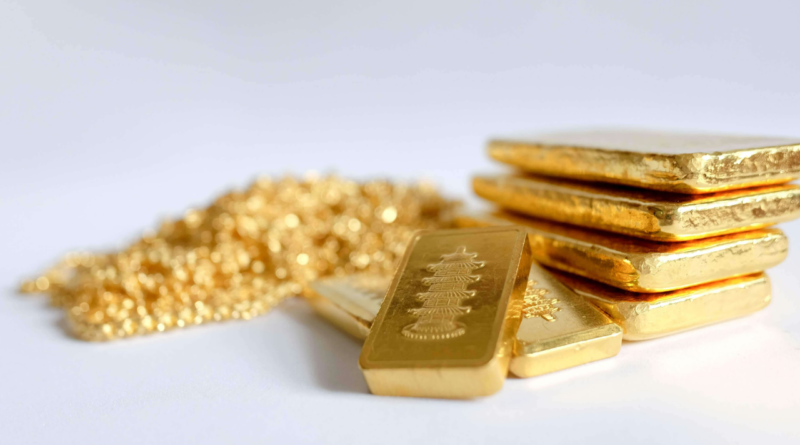
This applies whether you’re dealing with fine jewelry, vintage pieces, or even gold buyers who rely heavily on market pricing and weight. There’s clear math and logic applied here, which a reputable buyer would be more than happy to explain to you.
Credentials, Experience, and Market Literacy
While having years in the business is important, having a range matters more. A buyer who has handled a wide mix of assets tends to have better judgment on the value of your luxury item. They’ve seen trends rise and fall. They know when a brand is hot because of hype and when it’s steady because of demand.
In New York, being reputable comes from having market literacy. A reputable buyer understands why one reference sells faster than another. Why certain models are popular globally, not just locally. Why someone looking to sell Rolex NYC will get different numbers depending on condition, box, papers, and timing.
That kind of insight doesn’t come from guessing. It comes from having many clients and acquiring all kinds of luxury items.
Professional Process and Seller Protection
A lot of sellers don’t think about the process of selling their luxury item until it’s too late. The procedure you have to go through to sell your luxury piece does matter a lot.
Reputable buyers have proper systems with intake forms, receipts, clear ID requirements, and documented transactions that are compliant with city and state rules. They also respect privacy. Everyone wants discretion when they’re selling in New York City, so a professional buyer won’t overshare, oversell, or overstep anywhere other than necessary. Payment timelines are discussed upfront. Fees (or the lack of them) are clear. Nothing is buried in fine print because there isn’t any.
If a potential buyer you’re seeing treats paperwork like an inconvenience, that’s worth taking note of.
Reputation Beyond Reviews: What Actually Matters
While online reviews help, in New York, reputation runs deeper than five-star passages on Google. You also need to check if the buyer has repeat clients, referrals, and nods from estate attorneys, jewelers, or longtime collectors.
Reputable buyers don’t change their tone based on the size of the transaction. The approach always stays consistent, no matter whether you’re selling a single piece or a small collection of luxury items. That consistency is what separates the professionals from opportunists.
This is especially important in niche categories, like gold coin buyers, since this is where knowledge gaps can easily be exploited. A reputable buyer educates you on why the value of your piece is priced at a certain amount instead of capitalizing on your confusion and ignorance.
Fairness Over Flattery: Pricing That Reflects Reality
The most reputable buyers don’t always lead with the highest offer. That’s usually a sign they are what they say they are.
Inflated numbers often come with conditions, delays, and renegotiations after inspecting your luxury item. On the other hand, honest pricing holds up since it is reflective of the current demand, resale reality, and margin of your luxury item without pretending otherwise.
A good buyer explains why the number is what it is. They don’t flatter nor do they dismiss emotional value, but they don’t let it drive the deal either. That balance between being respectful, grounded, and steady is hard to fake.
Conclusion
Selling a luxury item is personal, despite you telling yourself it’s just business. The right buyer understands that tension. They don’t exploit it. They give you space to think, ask questions, maybe even walk away.
In New York’s secondary luxury market, being reputable is everything. Choose the buyer who makes you feel informed, not rushed. Confident, not dazzled or confused. You’ll find that the smoothest deal is usually the quietest one.